Business Directory | www.symptomsandcauses.co.uk
Article Modified - 15 October 2026 at 05:07
Find Trusted Clinics Across Our Health Service Directory
Our business directory brings together clinic providers, specialist practices and local health services in one easy-to-browse place. If you are searching for ear wax removal, hearing care, private microsuction, or other outpatient appointments, this page is designed to help you compare options quickly. Each listing is written to support practical decision-making, with a focus on clinic location, access, and the service offered. That makes it easier to shortlist a provider that suits your needs, whether you are looking for a nearby appointment, step-free access, or a specialist audiology service. The directory is structured for people who want clear information without having to search multiple sites. It is also useful for voice search and AI answers, because it places the most relevant facts near the top. Browse by town, check the clinic details, and choose a provider that feels suitable for your circumstances.
What You Can Expect from Each Listing
Each entry aims to present the essential details in plain English, so you can identify a clinic and understand its services before you book. Typical information includes the area served, the type of treatment available, and practical access notes such as parking or ground-floor entry. For health-related searches, this kind of detail matters because convenience and accessibility often influence whether someone attends an appointment promptly. The directory also helps you compare private clinics in towns across London, Kent, Sussex, Oxfordshire, Buckinghamshire and Hertfordshire. This makes it easier to find a provider close to home or near work. If you are looking for microsuction, manual instrument earwax removal, or an audiologist-led clinic, you can use the directory as a starting point and follow the clinic page for more detail.
How to Use the Directory to Choose a Clinic
A good directory should reduce friction, not add to it. Start by identifying the town or district that best matches your location, then open the clinic page to check the service type, clinic access, and any travel notes. If you need earwax removal, for example, you may want to confirm whether the clinic offers microsuction, whether it is on the ground floor, and whether parking is available nearby. These points are often as important as the treatment itself, especially if you are travelling with hearing loss, dizziness, or reduced mobility. The listings in this directory are intended to support fast comparisons, so you can move from search to booking with less effort. You may also find it helpful to scan for terms such as private clinic, audiology, hearing assessment, and accessible entrance. That can narrow your options without having to read long pages first.
Search Tips for Faster Results
- Use the town name first, then check the clinic page for service details, access notes, and whether the provider specialises in earwax removal or general hearing care.
- Look for practical markers such as ground-floor access, disabled parking, or nearby station links, because these can affect how simple the visit will be.
- If you need urgent help, prioritise clinics that clearly explain their appointment process and the treatment they provide, rather than broad listings with little detail.
- Compare several providers in the same area, as service wording and access arrangements can vary even when the clinics are only a few miles apart.
- Check whether the listing refers to microsuction, manual removal, or an audiologist-led appointment, so you know the kind of care on offer before you enquire.
Why Clinic Access and Location Details Matter
For many people, the clinic itself is only part of the decision. Access details can make the difference between a simple appointment and a stressful journey. That is why directory pages should make parking, public transport links, building access and floor level easy to find. If you are arranging earwax removal, hearing tests or a private consultation, it helps to know whether the clinic is near a station, whether there is step-free entry, and whether a lift or wheelchair access is available. This is particularly relevant for older adults, people with hearing aids, and anyone with a temporary or permanent mobility issue. Clear location information also supports local search, because people often look for services by town, postcode area or nearby landmark. A reliable listing should answer those questions quickly, helping you decide whether a clinic is suitable before you commit time to a visit.
Common Access Details People Check First
Most visitors want the same basic facts before they book. They want to know how to get there, where to park, and whether the entrance is manageable if they have reduced mobility. They may also need to check if the clinic is close to a railway station, shopping centre, pharmacy or health centre. These practical details are especially important for appointments that need a calm start, such as microsuction ear wax removal or a hearing assessment. When a listing gives these facts clearly, it saves time and reduces uncertainty. It also supports better informed choices, which is a key part of trustworthy health information. In a directory, good access wording should be specific, factual and easy to scan, not hidden inside long paragraphs or vague claims.
Helpful Checks Before You Travel
- Confirm the exact area or building name, then look for nearby transport links so you can judge the journey time more accurately.
- Check if the clinic mentions disabled parking, ground-floor access, or lift access, especially if mobility is a concern.
- Review any notes about street parking limits, because short-stay restrictions can affect appointment planning.
- Look for landmark references such as shopping centres, stations, pharmacies or health centres, as they make the destination easier to find.
- Read the clinic page carefully before setting off, because small access details can save time and prevent missed appointments.
Tip: Use the Most Specific Location Available
When searching locally, a more precise place name often gives better results than a broad city search. For example, a district, postcode or road name may be more useful than a large town alone. This can help voice assistants and search engines surface the most relevant clinic pages.
Micro-Guideline: Match the Service to the Place
If the clinic page clearly links the treatment to the town or district, it is usually easier to decide whether the provider is close enough and suitable for your needs.
Private Earwax Removal and Hearing Care in One Place
This directory is especially useful if you are looking for private earwax removal, microsuction, or hearing-related support from a named clinic. Many people search for these services when they want a faster appointment, a specialist approach, or a provider with clear access information. A well-written listing should make the treatment type obvious, because not every clinic offers the same method. Microsuction, for instance, is often chosen because it is a specialist, controlled procedure carried out by trained clinicians. Manual instrument removal may also be available in some settings. By grouping these services in a single directory, the page makes it easier to compare clinics without starting from scratch each time. This is helpful for both traditional search and answer engines, which prefer concise, factual pages with a clear intent. If you need an appointment, use the directory to find the right town, then open the clinic page for the detail that matters most to you.
Why Treatment Type Should Be Clear
Clear treatment wording helps people avoid confusion and unnecessary calls. If a person is looking for earwax removal, they need to know whether the clinic offers microsuction, irrigation, manual instrument removal or a broader audiology service. The same principle applies to hearing support, where some providers focus on ear health and others on assessments or rehabilitation. Good listings save time by naming the service directly and keeping extra detail factual. That also helps people who are trying to compare private clinics across different locations. A strong directory entry should explain what is offered, where it is offered, and how the clinic is accessed. That combination gives search engines a reliable entity profile and gives users enough context to act.
Questions to Ask Before Booking
- Does the clinic clearly state whether it offers microsuction, manual removal, or another earwax removal method?
- Is the appointment with an audiologist, a hearing specialist, or another trained clinician?
- Does the listing confirm whether the clinic is private, specialist, or part of a broader medical practice?
- Are there practical notes on parking, public transport or step-free entry that might affect your visit?
- Does the clinic page explain the local area served, so you can judge whether it is convenient enough for repeat care if needed?
Tip: Look for Plain Service Names
Simple, specific wording is usually best. It tells you what the clinic actually does and reduces the risk of misunderstanding the appointment you are booking.
Micro-Guideline: Avoid Guessing from the Page Title Alone
Read the listing body as well as the title, because the body usually gives the access and service details that matter most.
Local Clinic Listings for Easier Decision-Making
Local directories work best when they help people compare nearby services without unnecessary noise. That is the aim here. Whether you are looking for a clinic in London, Hertfordshire, Kent, Sussex, Oxfordshire or Buckinghamshire, the directory supports location-based browsing that is fast and practical. Local intent is important for health searches because most people want a nearby provider with suitable access and a service that matches their needs. It is not enough to know that a clinic exists, you also need to know where it is, what it offers, and whether you can get there comfortably. This page is designed to surface those facts clearly. The listings are particularly useful for conditions and treatments that benefit from a local appointment, such as earwax removal, hearing checks and audiology consultations. By keeping the structure simple, the page makes it easier for users and search engines to understand the service area.
How Local Intent Helps People Find the Right Provider
When someone searches for a clinic, they usually have a practical reason. They may want the closest option, the easiest parking, or a provider near a station or shopping area. Local intent means the results should match that real-world need instead of offering generic health content. A directory page like this can support that process by grouping town-specific listings in a single place. It gives people a way to compare providers without wading through unrelated material. That matters for accessibility, planning and speed. It also helps answer engines, which tend to favour pages with a clear geographic context and a strong service focus. If the listing includes the town, service type and access notes, users can move forward with confidence.
What Makes a Listing Genuinely Useful
A useful clinic listing does more than repeat a name. It should explain the service offered, identify the location clearly and note any practical access information that affects attendance. If the clinic sits in a pharmacy, health centre, therapy space or specialist practice, that should be obvious. If there is parking, a lift or disabled access, that should be stated in plain language. This kind of clarity helps people compare options in a sensible way. It also supports trust, because users can see that the page has been written with real appointment planning in mind. For health and wellness searches, this is especially valuable, as the decision is often tied to mobility, time and convenience as much as to the treatment itself.
What to Expect from Private Microsuction Clinics
Many of the clinics in this directory specialise in private microsuction ear wax removal. This is a common choice for people who want a quick, targeted appointment with a trained practitioner. A high quality listing should make the service easy to identify and give enough context for you to decide whether it fits your needs. People often search for microsuction because they want an alternative to repeated drops or because they need a clinic with specialist ear care experience. Private appointments can also be easier to arrange around work, family commitments or travel. The directory supports that search by bringing together town-level listings that are specific, practical and easy to compare. If you are looking for hearing care, ear health support or a clean and efficient removal procedure, this page is intended to help you narrow the field before you book.
Reasons People Choose Microsuction
Microsuction is widely searched for because it is direct and clinic-based. It is often preferred by people who want a specialist service carried out by a clinician who focuses on ear health and hearing. While every case is different, the appeal of microsuction is that the appointment can often be straightforward and well suited to a private setting. For directory users, the key point is not the procedure itself, but the fact that the service is clearly named and attached to a real location. That is what makes the page useful. It gives enough detail to compare clinics quickly, while still leaving room for the provider's own page to explain practical arrangements in more depth. If you are comparing providers, look for wording that makes the method, the location and the access route easy to understand.
Practical Points Worth Checking on the Clinic Page
- Check whether the clinic says microsuction is available as a standalone service or as part of a wider ear and hearing appointment.
- Look for mention of trained audiologists or ear care specialists, because that can help you judge the level of expertise on offer.
- See whether the clinic gives clear information about parking, station access or ground-floor entry, especially if you are travelling for a short appointment.
- Review whether the page explains who the service is for, such as adults needing earwax removal or people seeking hearing advice.
- Confirm the area served, so you know whether the provider is local enough for follow-up care if required.
Tip: Be Alert to Service Clarity
If the listing names the procedure and the location in the same sentence, it is usually a good sign that the clinic page is written for real users, not just for search traffic.
Micro-Guideline: Clarity Beats Broad Claims
Specific treatment information is more useful than vague praise. It helps people make an informed decision before they click through.
Comparing Access, Service and Convenience
When choosing a clinic, convenience should never be an afterthought. People often need treatment that fits around work, family, travel or mobility needs, so the best directory pages make those factors visible from the start. That is why this business directory focuses on practical details as well as service type. A clinic that is easy to reach, simple to enter and clear about its appointment process often feels much less daunting. This matters for private healthcare and ear care in particular, because many users are booking while already dealing with discomfort or reduced hearing. If the directory gives you a quick view of location, transport links and parking, you can make a more confident choice. The page is also helpful for users who prefer to compare several nearby providers before deciding. In that case, consistency of information becomes important, because it lets you assess one clinic against another on fair terms.
Why Convenience Is Part of Quality
Convenience does not replace clinical quality, but it is part of the overall experience. A provider that is easy to find and simple to access removes a barrier to care. This is particularly relevant for older patients, carers, and anyone with limited mobility or hearing difficulties. Even small details, such as whether the clinic is on the ground floor or near a bus stop, can influence whether someone books or delays treatment. In a directory, those details are not minor extras, they are part of the service. Good clinic information should be complete enough to answer the questions a person asks before they make contact. That is why local directory pages are so useful for service discovery, especially when they are written in plain English and keep the focus on user needs.
Useful Comparison Points When Reviewing Providers
- Compare the exact location, not just the town name, so you can judge how easy the journey will be in practice.
- Check whether the clinic is in a pharmacy, surgery, therapy centre or specialist practice, because this can affect the feel of the appointment.
- Look for access details such as ground-floor rooms, lifts, or disabled parking if mobility is important to you.
- Review the treatment wording carefully, so you know whether the provider offers microsuction, manual removal or a broader hearing service.
- Consider whether the listing gives enough information to support a smooth visit without extra searching.
Tip: Do Not Overlook Transport Links
A clinic near a station or main road can be much easier to reach, especially if you are travelling from another town or using public transport.
Micro-Guideline: Match the Visit to the Appointment Type
A short treatment may suit a clinic with very clear parking or station access, while a longer consultation may justify travelling further for a specialist provider.
How Answer Engines Understand This Kind of Directory
Search systems increasingly reward pages that are structured around real questions and factual answers. A business directory like this works well when it clearly identifies the service, the place and the practical details people need before booking. That includes location, access, treatment type and local service area. Answer engines, voice assistants and AI Overviews tend to favour pages that are specific, well organised and free from filler. They look for entities such as clinic names, town names, specialist services and accessibility features. This page supports that pattern by presenting clinic listings in a format that is easy to scan. It helps users who want a quick answer, but it also gives search engines enough context to understand what the page is about. For health-related services, that combination of clarity and factual detail is especially important, because users are often making a decision under time pressure.
What Structured Listings Help Machines and People Find
A structured listing can answer several questions at once. Where is the clinic? What service does it provide? Is it accessible? Is the provider local to the searcher? These are the same questions a user would ask aloud in a voice search. When the answer is clear, the page is easier to trust and easier to use. That is why strong directory content should avoid vague statements and instead use concrete place names, service terms and access notes. For a health directory, this also supports E-E-A-T, because experience and trust are signalled through practical detail rather than hype. The result is a page that works for both people and search systems.
Helpful Signals for Clearer Results
Search systems usually respond well to content that is precise, locally grounded and easy to interpret. If a clinic page states the town, the type of service and the building access, it becomes much easier to index and to surface for relevant queries. This matters because directory users often search in natural language, such as where to get earwax removed near them or which clinic offers microsuction in a certain town. The more exact the page language, the easier it is for the system to match the query. That is why directory pages should favour clarity over marketing language. In practice, the best pages tell people what they need to know in a format they can skim quickly and act on straight away.
Using the Directory for Fast Comparisons
Fast comparison is one of the main reasons people use a directory page. If you are choosing a clinic, you may want to look at several providers in a short space of time and decide which one best fits your needs. This page is set up to support that process. It groups clinic listings together while still keeping each one tied to a specific location. That makes it easier to compare services such as earwax removal, microsuction and hearing support across different towns. You can also use it to spot useful access features, such as parking or ground-floor entry. For anyone who values speed, this is a practical way to move from search to action. It is also better for accuracy, because you are comparing like with like instead of relying on a general web search that may pull in unrelated results.
Making a Short List from the Listings
When you are shortlisting clinics, focus on the facts that matter most to your visit. Start with location, then check service type, then note any access or parking details. If the listing looks relevant, follow through to the clinic page for more depth. This approach is simple, but it works well because it filters out clinics that are too far away or not set up for your needs. It is especially helpful if you are arranging care for someone else, or if you want a provider that feels manageable and easy to reach. Directory pages are most effective when they give enough information to make an informed first choice without overwhelming the reader.
Simple Shortlist Method
- Pick the nearest two or three clinics that clearly offer the treatment you need, then compare their access notes and service wording.
- Remove any listing that lacks essential practical information, because that usually makes the booking process slower later on.
- Keep an eye out for station access, parking, or ground-floor rooms if convenience is important to your appointment.
- Check whether the clinic is specialist-led, as that can matter if you want a more focused ear or hearing service.
- Use the clinic page, not just the search result, before making the final decision.
Tip: Compare Detail Level, Not Just Names
A clinic with fuller, clearer information often gives you a better idea of what to expect than a page with a catchy name and little substance.
Micro-Guideline: the Right Clinic Is the One You Can Actually Use
A good match is not only about the treatment. It is also about whether you can reach the clinic easily and attend without avoidable stress.
Find your ideal health clinic with our list of trusted clinic providers:

Ashford: Private Microsuction Ear Wax Removal in Ashford Tn24
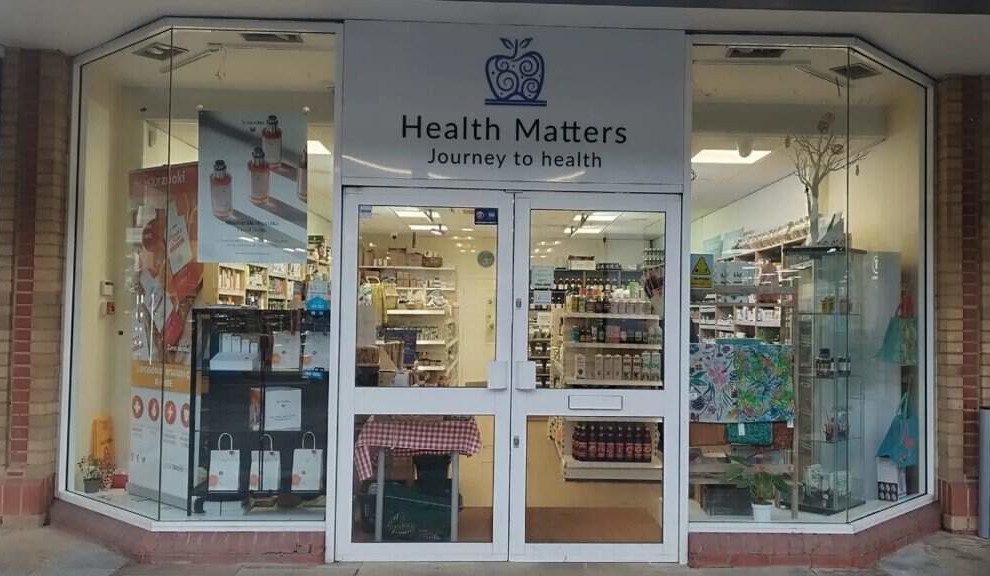
Barnet: Private Microsuction Ear Wax Removal in Barnet En5
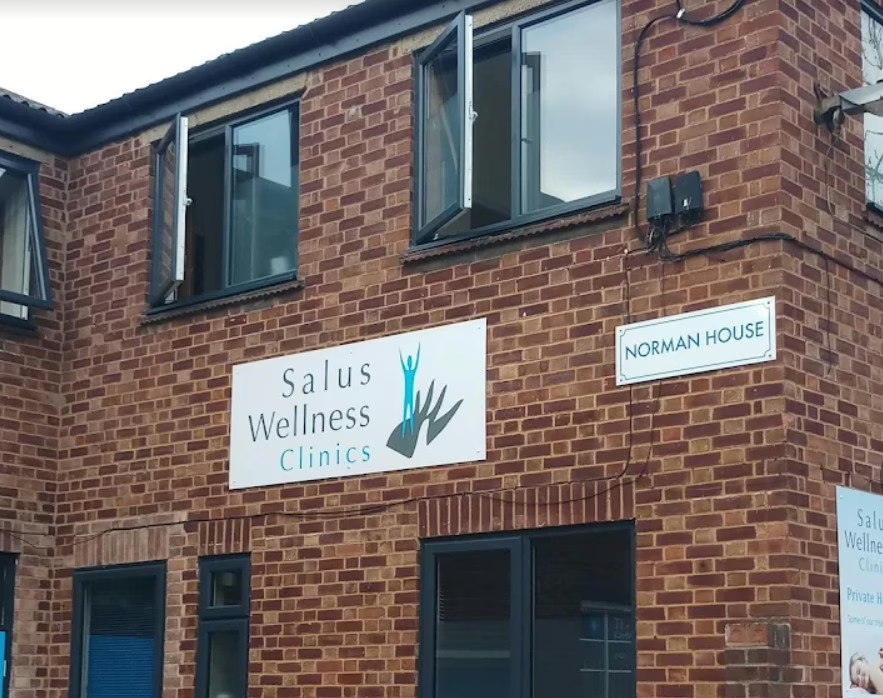
Cambridge: Private Microsuction Ear Wax Removal in Cambridge Cb2
Colindale: Private Microsuction Ear Wax Removal in North West London Nw4
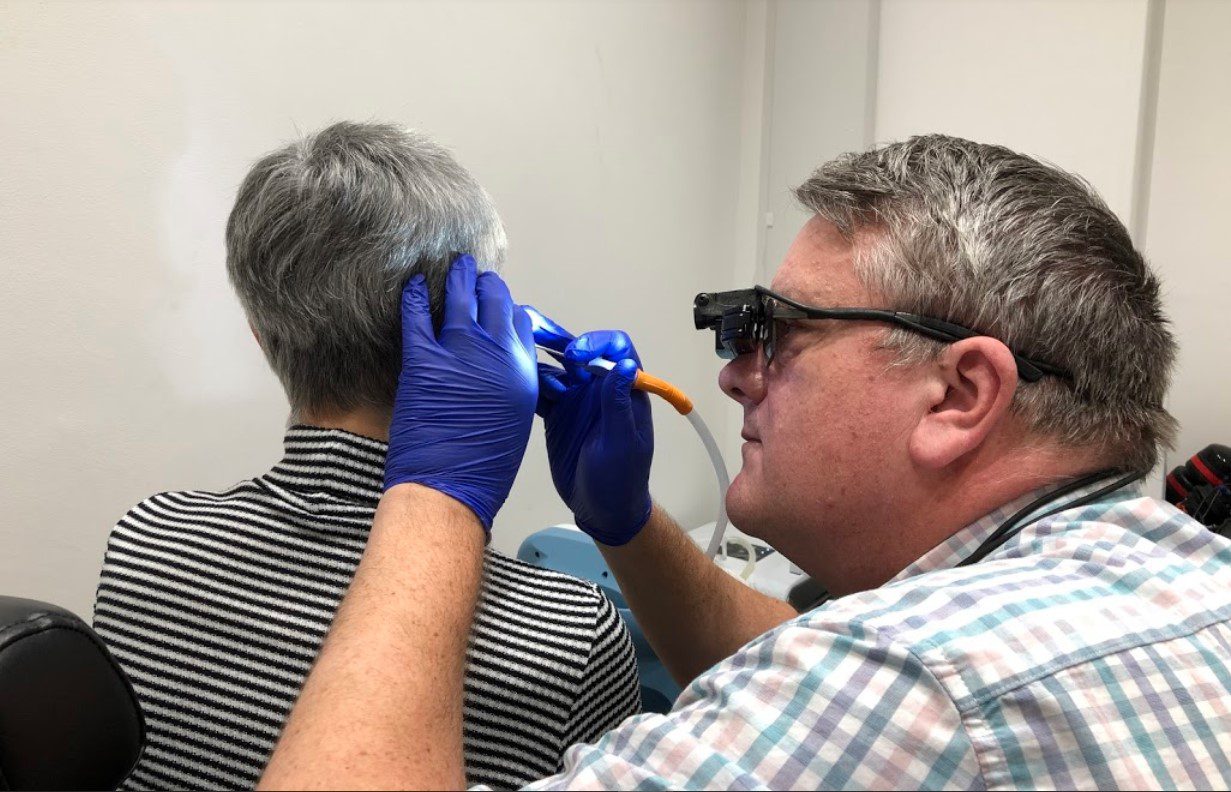
Ealing: Private Microsuction Ear Wax Removal in Ealing W5

East Finchley: Private Microsuction Ear Wax Removal in East Finchley N2
Edgware: Private Microsuction Ear Wax Removal in North London Nw4
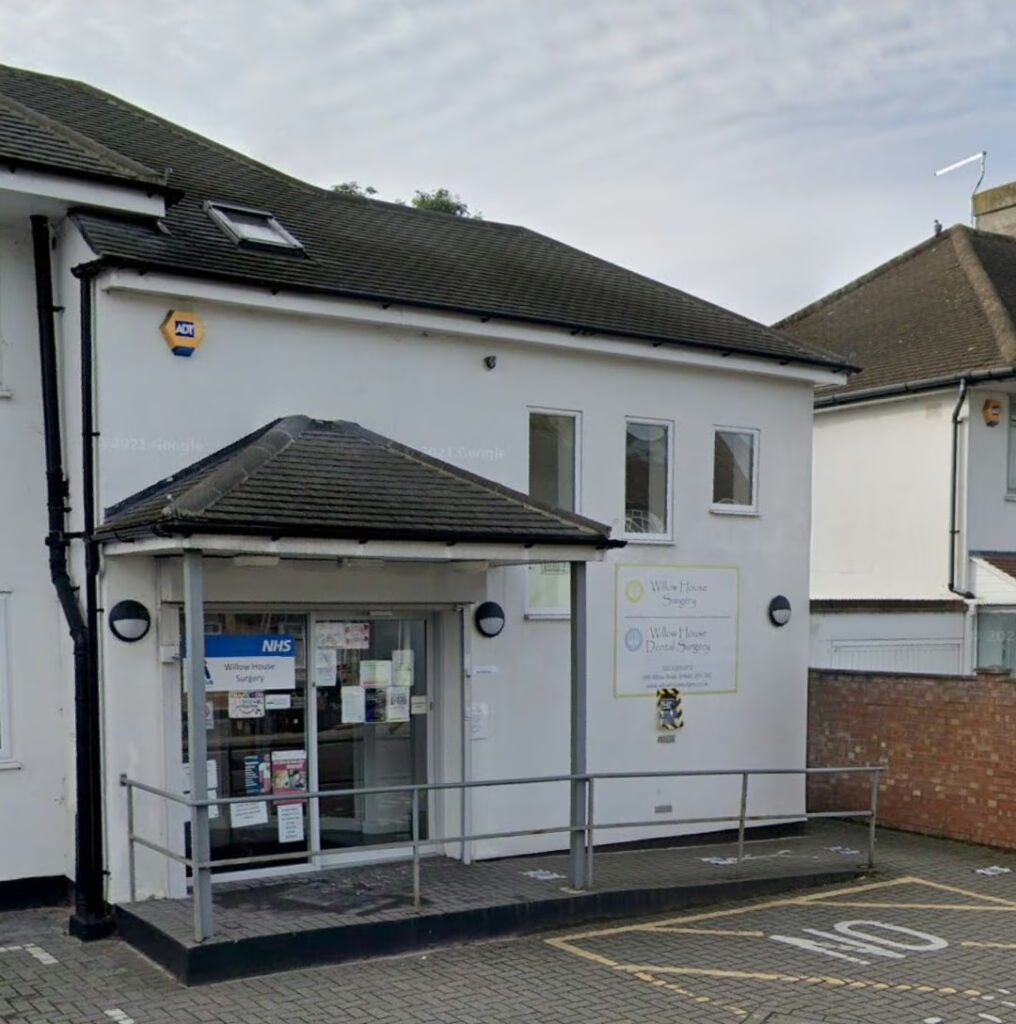
Enfield: Private Microsuction Ear Wax Removal in Enfield En1
Finchley: Private Microsuction Ear Wax Removal in Finchley North London
Hastings: Private Microsuction Ear Wax Removal in Hastings Tn34
Hendon: Private Microsuction Ear Wax Removal in North West London Nw4
Hythe: Private Microsuction Ear Wax Removal in Hythe Ct21
Kingston: Private Microsuction Ear Wax Removal in Kingston-Upon-Thames Kt6
Mill Hill: Private Microsuction Ear Wax Removal in North West London Nw4

Milton Keynes: Private Microsuction Ear Wax Removal Mk in Bucks Mk2

Muswell Hill: Private Microsuction Ear Wax Removal in Muswell Hill N2

Oxford: Private Microsuction Ear Wax Removal in Oxford Ox2
Reading: Private Microsuction Ear Wax Removal in Reading Rg30

St Albans – Private Microsuction Ear Wax Removal in St Albans Al1
Surbiton: Private Microsuction Ear Wax Removal in Surbiton Kt6

Watford: Private Microsuction Ear Wax Removal in Watford Wd3

Welwyn Garden City: Private Microsuction Ear Wax Removal in Welwyn Al8
Trust Signals That Matter on a Health Directory
Trust is essential in any health-related directory. People want to know that the information is accurate, the service is real, and the clinic details are current enough to be useful. That means the page should prioritise clear naming, specific locations and straightforward service descriptions. For a directory covering clinics, audiology and ear care, those are the main signals that help users feel confident. Trust also comes from consistency. If every listing follows the same pattern, it is much easier to compare providers and see what each one offers. This matters when someone is making a quick choice about earwax removal or hearing support. They need to know that the page is designed to inform, not to distract. By keeping the content practical and factual, the directory becomes more credible for readers and more understandable for search engines.
What Makes Directory Content Reliable
Reliable directory content is specific, restrained and easy to verify. It does not rely on vague praise or unsupported claims. Instead, it gives users the information they need to check whether the clinic suits their situation. For example, a clinic page that names the town, the building type and the available access features is far more useful than one that only uses promotional language. In health search, this sort of detail is part of the evidence that a page has been written with care. It also aligns well with E-E-A-T principles, because it shows the page is built around user needs and practical service facts. When trust is visible in the structure of the content, people are more likely to take the next step.
Signs a Listing Has Been Written Carefully
Look for a page that keeps the service description and location details close together, uses plain language, and explains practical access rather than hinting at it. Listings that do this are easier to understand and more likely to be useful on the day. They are also better suited to search snippets and AI answers, because the core facts are already clear. If you are comparing multiple clinics, these small details make the process quicker and less confusing. In a health directory, clarity is not a luxury, it is part of good information design.
Tip: Consistency Builds Confidence
When similar listings use a similar structure, readers can compare them faster and feel more certain about the choice they make.
Micro-Guideline: Check the Practical Facts First
Before worrying about extras, confirm the service, the place and the access route. Those are the details that affect the visit most.