About Hearing First Oxford Clinic
This Article Changed on Wed, 14 Oct 2026 02:33

Waxfree Guarantee™: The only ear wax removal clinic in Oxford offering the Waxfree Guarantee™.
We’re the only specialist microsuction ear wax removal clinic in Oxford providing Microsuction Earwax Removal and Manual Instrument Earwax Removal by our expert Audiologists. All of our earwax removal practitioners are hand-picked by our founder, Jason Levy. We really are the ear wax removal experts in Oxford.
Our convenient location in Botley, Oxford, also serves clients in Jericho, Summertown, Wolvercote, Marston, Godstow, Park Town, Wytham, Yarnton, Worton, Elsfield, Beckley, Islip, Hampton Poyle, Kidlington, Eynsham, Stanton Harcourt, Hardwick, Northmoor, Kingston Bagpuize, Gozzard’s Ford, Abingdon, Radley, Littlemore, Cowley, Headington, Thame, Wootton, Kirtlington, Freeland, Cassington, Witney, Ducklington, Aston, Woodstock, Weston-on-the-Green, Charlton-on-Otmore, Horton-cum-Studley, Forest Hill, Wheatley and Sandford-on-Thames.
Get to Know Our Oxford Audiology Clinic

Hearing First Oxford Clinic is an independent ear care and audiology service for people who want clear advice, careful assessment and professional treatment in one place. The clinic focuses on ear wax removal, hearing tests and hearing aid support, with a practical approach that helps patients understand what is happening with their ears and what to do next. Independence matters here, because it allows the team to recommend treatment and hearing technology based on suitability, not sales targets. That includes support for microsuction, manual instrument wax removal and hearing aid aftercare, all delivered with an emphasis on comfort, safety and straightforward explanation. If you are dealing with a blocked ear, reduced hearing or a question about modern hearing devices, the clinic aims to give you a calm, informed start.
For many patients, the value of a local clinic lies in access and trust. The team works with adults and, where appropriate, younger patients aged 12 to 17 when accompanied by a parent or guardian. This makes the clinic useful for families, working people and older adults who want private care that is easy to understand. The service is shaped around clinical judgement, patient comfort and practical results.
Services for Ear and Hearing Concerns
The clinic provides a focused range of services for common ear and hearing concerns. Microsuction ear wax removal is often chosen for its precision, while manual instrument removal may be appropriate in some cases depending on the shape, amount and position of the wax. Hearing tests are also available, and the results are explained in plain language so you can understand what they mean for your daily life, whether you are noticing missed conversation, muffled sound or difficulty hearing in busy places.
Patient Support Across Different Needs
Because hearing needs vary, the clinic also offers impartial hearing aid advice, fitting and aftercare. That can include guidance on digital hearing aids, rechargeable models, Bluetooth connectivity and iPhone-compatible devices. The aim is to match the technology to your routine, your hearing profile and your preferences. This patient-led approach is helpful if you are comparing options for work, family life or social settings and want the benefits explained without pressure.
- Hearing tests help identify whether hearing loss may be present and how it may be affecting communication.
- Microsuction is a common choice for precise ear wax removal when wax is visible and suitable for suction.
- Manual instrument removal can be useful in selected cases where a different technique is more appropriate.
- Impartial advice supports better hearing aid decisions for daily use, comfort and long-term satisfaction.
- Younger patients aged 12 to 17 can be seen when a parent or guardian is present.
The Treatments We Offer Include:
- Microsuction Ear Wax Removal
- Manual Instrument Ear Wax Removal
- Under 18 Microsuction Ear Wax Removal: We provide microsuction ear wax removal for age 12-17 when accompanied by a parent or guardian.
- Hearing Tests: We can test your hearing and explain the meaning of your test results – We are not part-owned by a hearing aid manufacturer, so unlike some High Street chains, we won’t offer you a “free” hearing test and then push you to buy hearing aids.
- Impartial Hearing Aid Advice, Fitting and Aftercare: If you want friendly, impartial advice, we are an independent company that is not part-owned by a hearing aid manufacturer, so we can advise you on which model will be the most appropriate, given your unique lifestyle requirements. We supply and fit all the latest digital invisible, rechargeable, bluetooth and iPhone-compatible hearing aids.
Hearing First Oxford: Ear Wax Removal and Hearing Aids
Located within Raleigh Park Clinic,
URL: https://www.hearingfirst.co.uk/book-ear-wax-removal-near-me/book-microsuction-ear-wax-removal-oxford/
View Hearing First Oxford - Ear Wax Removal and Hearing Aids on Google Maps.
Professional ear wax removal Oxford Audiologists. Conveniently located just off the A34 in the North Hinksey area of Botley, with free on-site parking. We are the only ear wax removal clinic in Oxford that offers The Hearing First Waxfree Guarantee™ , so if you have a blocked ear, book an appointment at our ear wax removal Oxford clinic. We really are the ear wax removal experts in Oxford!
Oxford Audiology and Ear Care Services
Hearing First Oxford Clinic combines specialist ear wax removal with hearing support for people who want clear, practical guidance in one local setting. The service range is shaped to tackle blocked-ear concerns while also helping patients understand their hearing and the choices available to them.
- Microsuction and manual instrument techniques are available for ear wax removal.
- Microsuction appointments are offered for young people aged 12 to 17 when accompanied by a parent or guardian.
- Hearing tests include an explanation of the results in straightforward terms.
- Independent hearing aid advice, fitting and aftercare can be considered where appropriate.
For hearing aid decisions, the clinic states that it is independent and not part-owned by a hearing aid manufacturer. This can help you explore models around your individual lifestyle needs, including modern digital, rechargeable, Bluetooth and iPhone-compatible options.
If ear wax is affecting comfort or hearing, arranging an assessment is a sensible first step. You can discuss your symptoms, ask which removal approach may be suitable and receive guidance that supports an informed next decision.
Why Independence Shapes Better Hearing Care
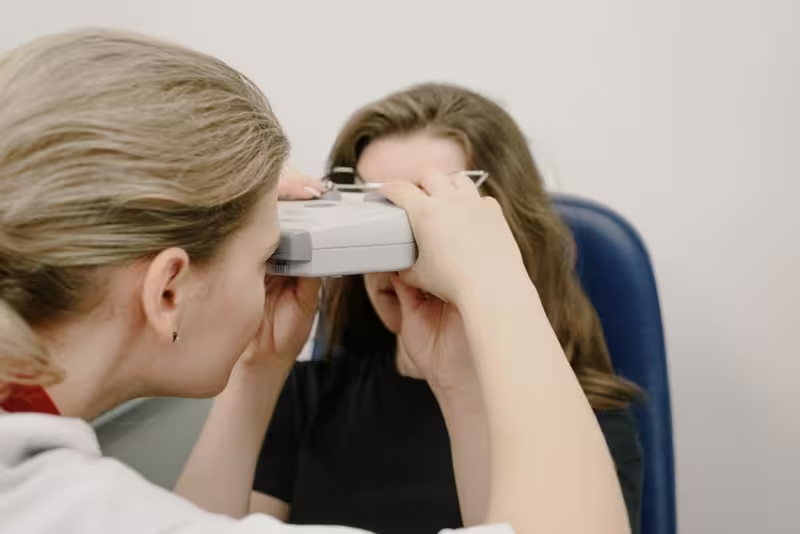
Choosing an independent audiology clinic can make a real difference to the advice you receive. At Hearing First Oxford Clinic, the team is not part-owned by a hearing aid manufacturer, so the focus stays on clinical suitability rather than product promotion. That means the conversation can begin with your hearing needs, your lifestyle and your concerns, then move towards the most appropriate solution. For many people, that is more reassuring than a quick sales-led appointment.
This matters when you are deciding between hearing aid styles, assessing whether you need one device or two, or asking whether a modern rechargeable aid will suit your day-to-day routine. It also matters after fitting, because aftercare plays a big part in comfort, clarity and confidence. A hearing solution works best when it is set up carefully, adjusted properly and reviewed when needed. Independent advice gives space for honest discussion, which helps patients make informed choices about their hearing health.
A Clear Path to the Right Recommendation
The clinic aims to explain the strengths and limitations of each option in straightforward terms. That can include features such as invisible designs, smartphone connectivity and rechargeability, but the key question is always whether a device suits your hearing profile and your listening environments. Some people need support for quiet one-to-one conversation, while others need help in restaurants, meetings or family gatherings. Good advice starts with those real-world needs.
Driving Directions to Hearing First Oxford
- Blue Plaque: George Claridge Druce FRS to Hearing First Oxford: approximately 4.4 miles and 14 minutes by car. The route typically begins: Head west on High St/A420 towards Turl St Continue to follow A420; then Continue onto Abingdon Rd/Folly Brg/A4144 Continue to follow Abingdon Rd/A4144; then Merge onto Kennington Roundabout. Open this route in Google Maps.
- Oxford Westgate Library to Hearing First Oxford: approximately 2.3 miles and 12 minutes by car. The route typically begins: Head north-west on New Rd towards Bulwarks Ln; then Continue onto Pacey's Bridge; then Continue onto Park End St. Open this route in Google Maps.
- Great Jewry Marker to Hearing First Oxford: approximately 4.2 miles and 13 minutes by car. The route typically begins: Head south on St Aldate's/A420 towards Blue Boar St; then Continue onto Abingdon Rd/Folly Brg/A4144 Continue to follow Abingdon Rd/A4144; then Merge onto Kennington Roundabout. Open this route in Google Maps.
Distances, indicative journey times and route links are provided by Google Maps. Check live conditions before travelling.
How to Find Our Clinic
From the A34 Southern By-Pass Road Northbound exit at Westminster Way, follow the road round to the right and then take a left onto Raleigh Park Road. At the top of the road, you will see red-brick posts with bobbles on top on either side of the road for Raleigh Park, continue a little way and then turn right onto a narrow road leading to Raleigh Park Clinic. The customer car park is a gravel area on the right just before the clinic.
From Botley, starting at the Premier Inn Oxford Botley hotel, head south on Westminster Way for about half a mile. Turn right onto Raleigh Park Road. At the top of the road, you will see red-brick posts with bobbles on top on either side of the road for Raleigh Park, continue a little way and then turn right onto a narrow road leading to Raleigh Park Clinic. The customer car park is a gravel area on the right just before the clinic.
Locating Raleigh Park Clinic in Botley
The Oxford clinic is reached from the A34 Southern By-Pass Road or from Botley via Westminster Way and Raleigh Park Road. The directions identify Raleigh Park by its distinctive red-brick entrance posts, followed by a narrow approach road leading towards Raleigh Park Clinic.
- From the northbound A34, leave at Westminster Way and follow the road to the right.
- Turn left onto Raleigh Park Road and continue to the entrance to Raleigh Park.
- Turn right onto the narrow road towards the clinic.
- Look for the gravel customer car park on the right shortly before the clinic.
Visitors travelling from the Premier Inn Oxford Botley can head south on Westminster Way for approximately half a mile before turning right onto Raleigh Park Road. Allowing a little extra time can make arrival calmer, particularly if you are unfamiliar with the local roads.
Before setting off, it may be helpful to check your appointment details and plan your route in advance. The on-site parking information and clear approach landmarks can make a visit for microsuction ear wax removal or a hearing appointment easier to manage.
How Microsuction Ear Wax Removal Works
Microsuction is a specialist method of removing ear wax using gentle suction under direct view. It is widely used because it allows the clinician to see the ear canal clearly during treatment, which can help with accuracy and control. At an audiology clinic, this approach is often preferred when wax is blocking hearing, causing discomfort or making the ear feel full. It can be especially helpful for people who want a precise, modern alternative to irrigation.
When Microsuction May Be Suitable
Microsuction can be considered when wax is soft, hard, deep or affecting one or both ears. It is also a common option for patients who have had previous problems with syringing or who want treatment delivered by a qualified audiologist. The appointment usually includes assessment first, then a decision on the safest and most effective approach. Clear guidance is important, because not every ear is the same and not every blockage should be treated in the same way. A careful examination helps the clinician decide whether microsuction is likely to be the best option.
What Patients Often Want to Know
People often ask whether the procedure will be uncomfortable, how long it will take and whether their hearing may improve straight away. Those questions are sensible. The experience varies depending on the condition of the ear canal, the nature of the wax and whether one or both ears need attention. A calm explanation before treatment can make the process feel easier to manage and can reduce worry, especially if you have not had ear wax removal before.
Disabled Parking
Parking Options Listed for This Location
- Free car park
- Paid car park
- Free street parking
- Paid street parking
Car Parks Near Hearing First Oxford
- Westgate Car Park, approximately 1.2 miles from Hearing First Oxford. View on Google Maps.
- Oxford Rail Main Parking, approximately 1.1 miles from Hearing First Oxford. View on Google Maps.
- Worcester Street Car Park, approximately 1.3 miles from Hearing First Oxford. View on Google Maps.
Parking information and place links are provided by Google Maps. Check restrictions and charges locally.
There is one disabled bay directly outside the clinic.
Manual Instrument Removal and Clinical Judgement
Research Catalogue Results for Ear Wax Removal
- The auricular cough reflex: lateralization, prevalence, procedural determinants, and the role of examiner handedness. - van de Loo J, Mayer M, Sharaf K, Eckel H, Jansen L, Klussmann JP, Luers JC., 2026.
- High-definition otoscopic device for humanitarian mission: how i do it. - Lechien JR, Maniaci A, Kipsang MJ, Kibor M, Vaira LA., 2025.
- Use of Castor Oil in Dermatology: A Narrative Review. - Girdler K, Cabatu A, Olds H, Potts GA., 2026.
Source: Europe PMC. These are bibliographic matches, not personalised medical advice or an endorsement of a treatment.
Manual instrument ear wax removal remains an important part of professional ear care. In suitable cases, it allows a trained audiologist to remove wax using small instruments with careful control. This method may be considered where the wax is accessible and where the clinician believes it offers the safest route. The value of manual removal is that it is selective, precise and based on observation, rather than a one-size-fits-all technique.
A good ear care appointment should never feel rushed. The clinician needs to assess the ear canal, look at the type of wax present and decide whether manual instrumentation, microsuction or another approach is best. That judgement matters because ear canals differ in shape and sensitivity, and some patients have a history of ear problems that needs to be taken into account. Careful selection of technique is part of good practice, not an extra.
Why a Tailored Approach Helps
Patients often benefit from knowing that the method is chosen for a reason. A tailored approach can reduce unnecessary manipulation and make it easier to protect the ear canal. It also allows the clinician to explain what is being done at each stage, which can help with confidence and cooperation. For people who have had repeated wax build-up, a personalised plan may also include advice on future ear care and when to return for review.
Find Out More
For more information on our Oxford ear wax removal clinic, please click here.
Hearing First Oxford – Microsuction Ear Wax Removal Ox2 Map
What Hearing Tests Can Tell You
Hearing tests are a core part of what the clinic offers, and they are useful for anyone noticing muffled sound, difficulty following conversation or strain in noisy environments. The purpose of testing is not only to measure hearing, but also to explain the findings in a way that makes sense. That includes discussing whether your hearing is within a normal range, whether there are signs of hearing loss and whether further support may help.
For many patients, the most valuable part of the appointment is the explanation afterwards. Hearing results can look technical at first, but they become much more useful when linked to real-world listening situations. The clinic's approach is practical, so the discussion can cover speech understanding, volume, clarity and how different listening environments affect you. If hearing aids are not needed, that should be made clear. If they may help, the next step can be considered without pressure.
Turning Test Results into Useful Advice
- A hearing test can help identify whether communication problems are caused by hearing loss, wax build-up or a combination of both.
- Results are easier to act on when explained in relation to daily listening, such as meetings, family conversations or television sound.
- Testing may form the first step before hearing aid advice, especially if you want an independent opinion.
- Clear feedback can help you decide whether to monitor changes, seek treatment or explore amplification.
- Understanding the result supports better decisions about work, home life and social confidence.
Microsuction Compared with Ear Syringing
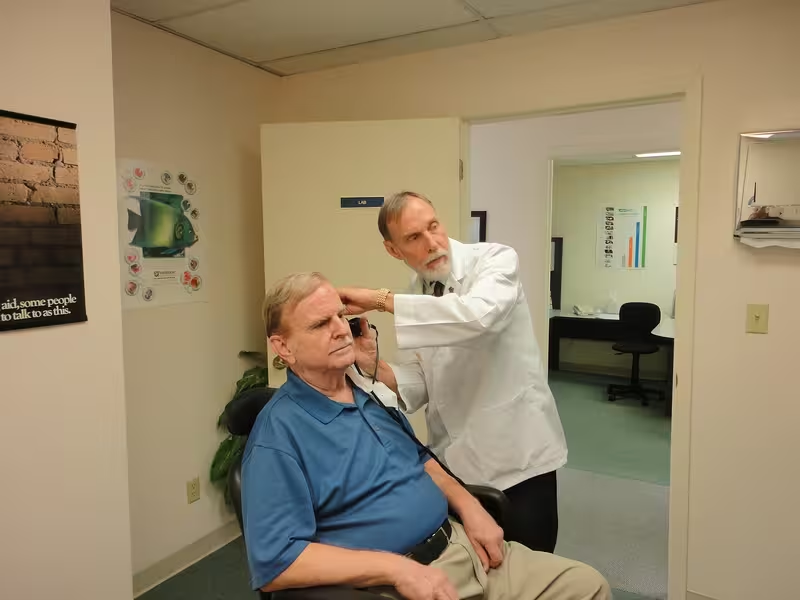
but also because ear syringing is inherently less safe than ear micro suction. Possible side effects of ear syringing or irrigation are ear infection, perforation of the ear drum, further impaction of the ear wax, Many people in Oxford are finding that their local GP surgery no longer offers ear syringing. No doubt this is partly due to a lack of funding, tinnitus, and hearing loss(i.e. the ear wax gets pushed even harder against the ear drum). Is it any wonder that people are going off walk in ear syringing in Oxford and are seeking out microsuction ear wax removal instead? Unfortunately, the sharp rise in demand has meant that NHS micro suction clinics are now unable to meet the need and waiting times are often over two to three months.
You no longer need to wait months for micro suction. Why not save time by going private? It’s not as expensive as you think. Simply head to our booking page and you could be saying goodbye to your wax blockage this week!
20 Interesting Facts About Oxford
- Oldest University in the English-Speaking World
The University of Oxford was established in the 12th century and is the oldest university in the English-speaking world. - The Bridge of Sighs Curse
Students believe that walking under Hertford Bridge before exams brings bad luck — many cross the street to avoid it. - Ear Wax Removal In Oxford
Ear wax removal is available from the experts at Hearing First Oxford on Tuesdays at Raleigh Park Clinic in North Hinksey, Botley OX2 – easily accessible from the A34 Northbound or Premier Inn Oxford Botley with plenty of free onsite parking. Click here to book now. - City of Spires
Oxford’s skyline is famously dotted with church towers and college spires, inspiring the nickname “The City of Dreaming Spires”. - Shark on the Roof
A life-size fibreglass shark crashes through the roof of a house in Headington — installed in 1986 as a protest against war and censorship. - Oxford University Press
OUP is the largest university press in the world and has been publishing scholarly works since 1586. - The Ghost of the Sheldonian
Staff at the Sheldonian Theatre report hearing footsteps and creaking floorboards late at night, attributed to a spectral former caretaker. - Punting on the Cherwell
One of Oxford’s most iconic leisure activities, punting involves propelling a flat-bottomed boat along the river using a pole. - The Gargoyle That Sticks Its Tongue Out
On New College Lane, one gargoyle is pulling a face and sticking its tongue out — allegedly aimed at a rival college. - The Bodleian Library
One of the oldest libraries in Europe, the Bodleian has over 13 million printed items and receives a copy of every book published in the UK. - The Underground Narnia Door
Near St Mary’s Passage, there’s a small wooden door said to have inspired the magical wardrobe in C.S. Lewis’s Narnia series. - Radcliffe Camera
This iconic circular library building is one of Oxford’s most photographed landmarks and part of the Bodleian Library system. - The Morse Effect
After years of the TV show Inspector Morse, tourists frequently visit Oxford pubs just to sit where the fictional detective drank. - Blackwell’s Bookshop
Founded in 1879, Blackwell’s is home to the Norrington Room — one of the largest rooms of books in the world, located underground. - Oxford’s Miniature Forest
A micro-forest has been planted in Florence Park using the Miyawaki method to boost biodiversity in urban areas. - The Divinity School Ceiling
The intricate fan-vaulted ceiling of the Divinity School took three years to carve and features over 400 bosses.
The Cat That Earned a Degree
In the 1920s, a cat named Simpkins
Hearing Aid Advice, Fitting and Aftercare
If you think hearing aids may help, the clinic provides impartial advice, fitting and aftercare designed to support a good long-term result. This is not about pushing a particular brand. It is about matching the right solution to the way you live, the kind of hearing support you need and the features that will genuinely help. That may include discreet devices, rechargeable options, Bluetooth connectivity or hearing aids that work with an iPhone.
A hearing aid is only useful if it is comfortable, well programmed and supported after fitting. That is why aftercare matters so much. Fine-tuning can improve speech clarity, comfort in background noise and everyday confidence. Some people need time to adjust, while others benefit from more immediate changes to volume, sound balance or device settings. Ongoing support helps the technology fit your life rather than the other way around.
Features That May Be Discussed
Different hearing aids offer different strengths, and the clinic can explain these in everyday language. Invisible styles may appeal to people who want discretion, while rechargeable models can suit those who prefer not to change batteries. Bluetooth and smartphone compatibility can be useful for calls, music and television. The right choice depends on hearing goals, manual dexterity, appearance preferences and the settings where you struggle most with speech.
Safe, Comfortable Ear Wax Removal with a Local Audiologist
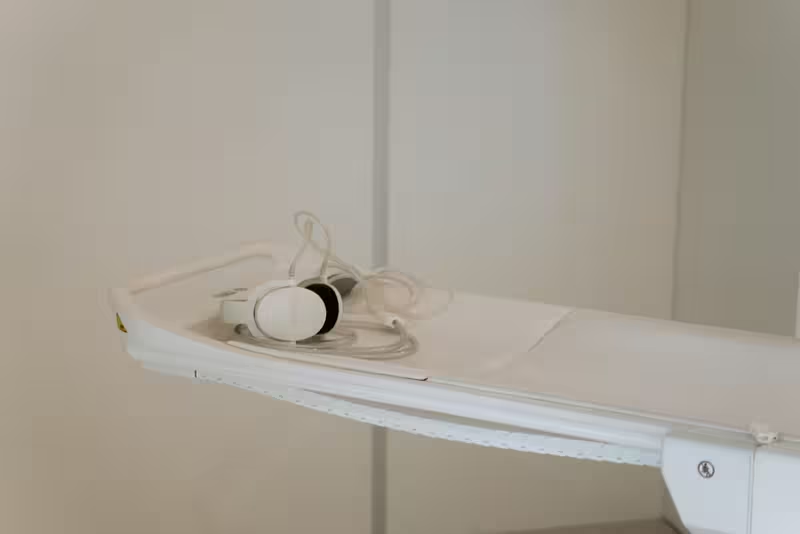
Your ears and hearing are delicate and their care should be in expert hands. Some providers delegate ear wax removal to lay people, viewing it as a routine procedure. However, we believe it requires the skill and expertise of a trained Audiologist.
ensuring that your ears are cared for by a specialist with in-depth knowledge of ear anatomy and physiology. This minimises the risk of injury and ensures a safe, effective procedure tailored to your needs. Your hearing is too important to leave to chance, we, At our clinic, and only qualified Audiologists perform ear wax removal are committed to providing the highest standard of care.
Care for Younger Patients by Age Group
Hearing First Oxford Clinic offers microsuction ear wax removal for young people aged 12 to 17 when they are accompanied by a parent or guardian. That age range can be important for families dealing with recurring wax build-up, blocked ears or hearing that seems temporarily reduced. Teenagers may not always describe symptoms in detail, so having access to a professional assessment can help identify whether wax is the cause and whether removal is suitable.
Young patients often need a gentler style of communication as well as a careful clinical approach. The appointment should feel clear, reassuring and age-appropriate. Parents or guardians can help with history, consent and aftercare, while the clinician explains the procedure in plain English. This kind of support can be valuable before school, exams, music practice or sport, where hearing clearly makes a noticeable difference.
What Families May Wish to Consider
- Wax build-up can affect concentration, classroom listening and confidence, so early assessment may prevent unnecessary frustration.
- Not every blocked ear is caused by wax, which is why a proper examination is important before any treatment begins.
- Having a parent or guardian present helps younger patients feel more secure and makes the appointment easier to manage.
- Aftercare advice should be followed carefully, especially if symptoms return or if the ear feels sore afterwards.
- Professional removal is preferable to home attempts, which can worsen the blockage or irritate the ear canal.
Disabled Access

Published Accessibility Features
- Wheelchair-accessible entrance
Accessibility details are provided by Google Maps. Contact the location to confirm individual requirements.
This clinic is located on the ground floor.
What a Private Appointment Involves
A private ear care or hearing appointment should feel organised, calm and informative. At the clinic, the process is designed to help you understand your symptoms, the likely cause and the treatment options available. If wax removal is needed, the clinician can assess whether microsuction or manual instrument removal is most appropriate. If your concern is hearing rather than blockage, a test or consultation can help identify the next step.
Many patients value private care because it offers a focused appointment without long delays. That can be especially helpful when a blocked ear is affecting work, driving confidence or daily conversation. Private care also makes space for questions, which is useful if you are comparing hearing aids or wondering whether your symptoms may point to a deeper issue. The aim is to leave you better informed, not more confused.
Good Appointments Begin with Clarity
A useful consultation should explain the findings, describe any treatment given and outline what to do if the issue comes back. That might include hearing protection advice, monitoring symptoms or booking a follow-up if needed. When patients understand the plan, they are more likely to manage their hearing health with confidence and less likely to delay treatment when a problem returns.
Parking
There is ample on-site parking for patients at the clinic.
Why Patients Choose a Specialist Ear Clinic in Oxford

People often choose a specialist clinic because they want expertise, speed and a personal explanation of what is going on. Hearing First Oxford Clinic combines ear wax removal, hearing testing and hearing aid support in one place, which can make the experience more straightforward than trying to piece together advice from several sources. That joined-up approach is useful if wax removal is only the first step and you still need help with hearing clarity afterwards.
Specialist care also brings reassurance. When the practitioner is trained in audiology and ear care, the appointment can be based on anatomy, symptoms and proven technique rather than guesswork. This is important for anyone who has had recurring wax, reduced hearing or previous treatment that did not solve the problem. A good clinic should treat the ear carefully, explain findings honestly and suggest the most suitable next step.
Reasons Patients Value Specialist Support
- Clinical assessment can identify whether ear wax is causing the problem or whether another hearing issue needs attention.
- Independent advice helps people compare hearing solutions without feeling pushed towards a single manufacturer.
- Precise removal methods can be more reassuring for patients who want careful treatment of a sensitive ear canal.
- Access to hearing tests and aftercare can reduce the need to visit multiple providers for one concern.
- Clear explanations can make future decisions about ear care easier and less stressful.
Independent Advice for Modern Hearing Technology
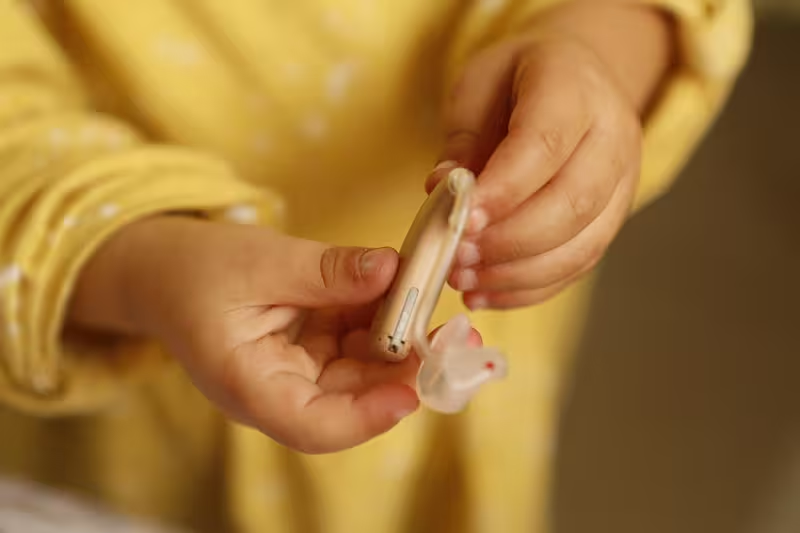
Hearing technology has improved quickly, and many people now want devices that are discreet, rechargeable and easy to connect to everyday devices. The clinic can help you understand what these features mean in practice, rather than just listing technical specifications. That might include how a hearing aid handles speech in noise, whether the battery life suits your routine or how simple it is to adjust settings on a phone.
Independent advice is useful because the best device for one person is not always right for another. Someone who travels frequently may want convenience and Bluetooth connectivity, while another person may prioritise invisibility or all-day charging. The clinic can discuss these priorities in context, then explain which options fit your hearing test results and lifestyle. That creates a more realistic and useful path to better hearing.
Helpful Points to Discuss Before Fitting
Tell the clinician where you struggle most with hearing, for example at work, in the car, in restaurants or during family gatherings. Real listening situations help shape better recommendations than features alone.
How Aftercare Supports Success
Good aftercare gives the device a better chance of working well over time. Follow-up adjustments can improve sound quality, comfort and confidence, especially during the first few weeks of use. A hearing aid often performs best when the settings are refined after you have used it in ordinary daily life.
How Much Does Ear Wax Removal in Oxford Cost?
Published Payment Methods
- Credit cards
- Debit cards
- Contactless or NFC payments
Payment information may change. Confirm prices, insurance eligibility and accepted methods directly with the provider. Place attributes are provided by Google Maps.
Ear wax removal in Oxford starts at £34. Pricing can vary if it is one or two ears, how far in advance the booking, and at peak or off-peak times is made.
Getting Better Results from Ear Care and Hearing Support
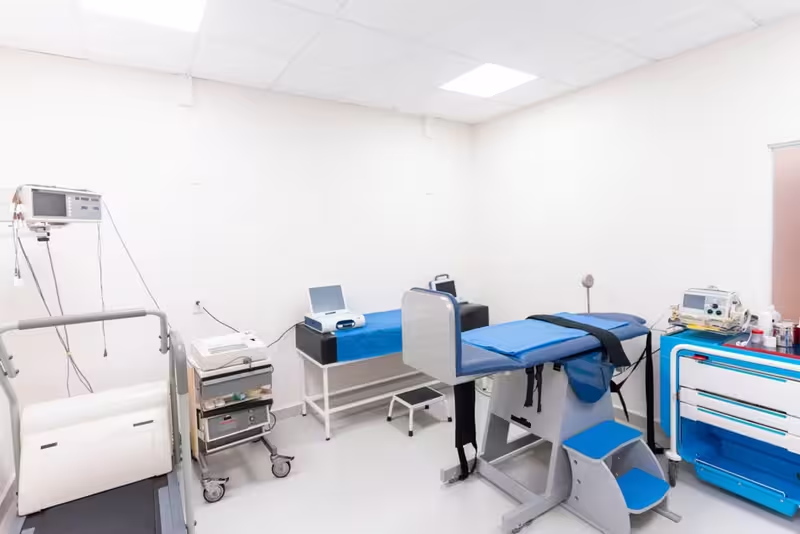
Good ear and hearing care is about more than a single appointment. It begins with a proper assessment, continues with the right treatment and is strengthened by clear aftercare and honest advice. Hearing First Oxford Clinic brings these elements together in a way that is practical and easy to follow. Whether you need microsuction, a hearing test or help choosing a hearing aid, the aim is to give you sensible guidance backed by specialist knowledge.
Patients often benefit from thinking about ear care as part of overall wellbeing. A blocked ear can affect concentration, communication and mood, while untreated hearing loss can make social life and work more tiring. Prompt support can reduce that strain. If you are unsure what is causing your symptoms, a professional assessment is a sensible starting point. If you already know wax is the issue, treatment can often be planned quickly. If hearing loss is the concern, testing can show what to do next.
When to Seek Professional Help
- If one or both ears feel blocked, full or muffled for more than a short time, a clinical check is sensible.
- If you are asking people to repeat themselves more often, a hearing test can help identify the cause.
- If you have tried to manage wax at home without success, specialist removal is the safer option.
- If you are considering hearing aids, independent advice can help you choose a device that suits your routine.
- If a previous solution did not work well, a fresh assessment can clarify whether a different approach is needed.
Nearby Bus Stops and Public Transport
Nearest Bus Stops to Hearing First Oxford
- Raleigh Park Road, approximately 0.1 miles from Hearing First Oxford. View this bus stop on Google Maps. Walking directions from Raleigh Park Road to Hearing First Oxford.
- Laburnum Road Shops, approximately 0.2 miles from Hearing First Oxford. View this bus stop on Google Maps. Walking directions from Laburnum Road Shops to Hearing First Oxford.
- Lime Road, approximately 0.2 miles from Hearing First Oxford. View this bus stop on Google Maps. Walking directions from Lime Road to Hearing First Oxford.
- Yarnells Hill, approximately 0.2 miles from Hearing First Oxford. View this bus stop on Google Maps. Walking directions from Yarnells Hill to Hearing First Oxford.
- Harcourt Hill Campus, approximately 0.3 miles from Hearing First Oxford. View this bus stop on Google Maps. Walking directions from Harcourt Hill Campus to Hearing First Oxford.
- Cedar Road, approximately 0.3 miles from Hearing First Oxford. View this bus stop on Google Maps. Walking directions from Cedar Road to Hearing First Oxford.
Nearest Rail, Tube and Tram Stations to Hearing First Oxford
- Oxford, approximately 1.1 miles from Hearing First Oxford. View this station on Google Maps. Walking directions from Oxford to Hearing First Oxford.
- Oxford Parkway, approximately 4.1 miles from Hearing First Oxford. View this station on Google Maps. Walking directions from Oxford Parkway to Hearing First Oxford.
- Radley, approximately 4.6 miles from Hearing First Oxford. View this station on Google Maps. Walking directions from Radley to Hearing First Oxford.
Stops and stations are ordered by straight-line distance from the destination using Google Places coordinates. Place and walking-direction links are provided by Google Maps.